Moving your loved one from a hospital to a rehabilitation community can feel overwhelming. You’re juggling medical decisions, paperwork, and emotions while trying to support someone you care about through their recovery journey.
The transition from hospital to rehabilitation involves careful planning, open communication with care teams, and understanding what daily life will look like during recovery. With the right preparation and support, Kingston of Miamisburg can help set your loved one up for a successful recovery and return to independence through their comprehensive rehabilitation services.
Key Takeaways
- Start discharge planning early by working closely with your hospital team and asking the right questions.
- Choose a rehabilitation community that offers 24/7 skilled nursing care and comprehensive therapy services.
- Prepare important documents and comfort items to help your loved one settle into their new environment.
- Stay involved throughout the recovery process by communicating regularly with care teams and attending planning meetings.
- Understand that rehabilitation is temporary, with discharge planning beginning on day one to prepare for the next phase of care.
When Your Loved One Needs Rehabilitation After a Hospital Stay
Several situations can lead to needing rehabilitation care after a hospital stay. Hip or knee replacement surgeries, strokes, heart procedures, or recovery from serious infections often require additional support before your loved one can safely return home.
Rehabilitation bridges the gap between acute hospital care and independent living. Your loved one receives focused therapy to regain strength, mobility, and daily living skills while their medical needs are closely monitored. This specialized care helps people recover faster and more completely than they might at home.
Skilled nursing communities provide the right level of medical oversight during this recovery period. Unlike hospitals, these communities offer a homelike environment where your loved one can focus on healing while receiving round-the-clock nursing care and daily therapy sessions. Structured rehabilitation programs can significantly improve recovery outcomes for older adults.
How to Prepare for the Move from Hospital to Rehabilitation
Work with Your Hospital Discharge Team
Your hospital discharge planner becomes your guide through this transition. Ask them about your loved one’s specific care needs, how long rehabilitation might take, and what goals they hope to achieve. Request information about recommended communities and what services your loved one will need.
You’ll need to gather medical records, current medication lists, and insurance information. Your discharge team can help you understand what your insurance covers and any paperwork requirements. Don’t hesitate to ask for copies of everything—you’ll need these documents for admission.
The timeline for moving to rehabilitation can be quick, sometimes within 24–48 hours of the decision. Start conversations early, even before discharge is mentioned, so you’re prepared when the time comes. Understanding the transition process can help reduce stress during this critical time.
Choose the Right Rehabilitation Community
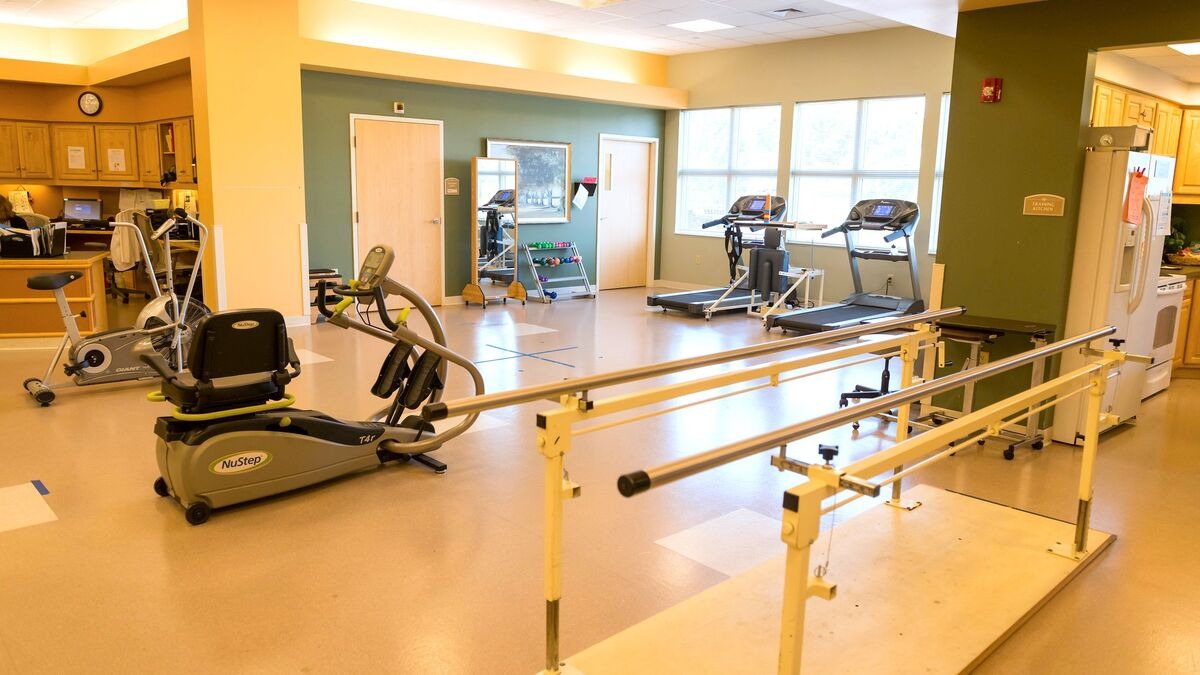
Look for communities that offer comprehensive skilled nursing services and specialized therapy programs. You want physical, occupational, and speech therapy available on-site, along with medical care that can handle your loved one’s specific needs.
Around-the-clock nursing care is important during rehabilitation. Your loved one needs access to medical professionals at all hours, especially during the early stages of recovery when complications can arise. This 24/7 support provides peace of mind for families and immediate care when needed.
Schedule tours when possible, and observe how staff interact with residents. Notice if the environment feels welcoming and if you see active therapy sessions taking place. Ask about their approach to family involvement and communication during the recovery process.
Gather Important Documents and Personal Items
Collect all medical records from the hospital stay, including test results, procedure notes, and discharge summaries. Make sure you have a complete, up-to-date list of medications with dosages and timing instructions. Your rehabilitation team needs this information to provide safe, effective care.
Bring insurance cards, identification, and any advance directives or healthcare proxy documents. Some communities require pre-authorization from insurance companies, so having this information ready can speed up the admission process. If your loved one is a veteran, explore VA benefits that might help cover rehabilitation costs.
Pack comfort items that will help your loved one feel more at home—favorite photos, a comfortable blanket, or familiar toiletries. These personal touches can make a big difference in how quickly they adjust to their new surroundings.
What Happens on Admission Day
The Welcome Process
Your loved one will meet their primary care team, including the attending physician, nursing staff, and therapy coordinators. Each team member plays a specific role in the recovery process, and they’ll explain how they’ll work together to support your loved one’s goals.
The nursing staff will help your loved one get settled in their room and provide an orientation to the community. They’ll explain meal times, activity schedules, and how to call for help when needed. This orientation helps reduce anxiety about the new environment.
A comprehensive health assessment happens within the first 24 hours. The medical team reviews your loved one’s hospital records, current condition, and therapy needs to create a personalized care plan. This plan outlines specific goals and the steps needed to achieve them, much like what you can learn about in this comprehensive rehabilitation guide.
Your Role as Family During Admission
You can help your loved one feel more comfortable by staying during the admission process when possible. Help them arrange personal items in their room and introduce yourself to the nursing staff. Your presence provides emotional support during this transition.
Communicate openly with the care team about your loved one’s preferences, concerns, and normal routines. Share information about their personality, favorite foods, or activities they enjoy. This helps staff provide more personalized care from the beginning.
Ask about visiting hours, family meeting schedules, and the most effective ways to stay updated on your loved one’s progress. Understanding these guidelines from day one helps you stay connected without interfering with care routines.
Daily Life During Rehabilitation
Therapy and Medical Care
Your loved one will participate in therapy sessions most days of the week, often multiple times per day. Physical therapy focuses on strength and mobility, occupational therapy works on daily living skills, and speech therapy addresses swallowing or communication needs when relevant.
Skilled nursing staff monitor medical needs around the clock, managing medications, wound care, and any ongoing health conditions. They work closely with therapists to make sure medical care supports therapy goals and doesn’t interfere with progress. Understanding the benefits of physical therapy can help you appreciate the comprehensive approach to your loved one’s recovery.
Progress gets tracked regularly through assessments and care plan meetings. The team adjusts goals and approaches based on how your loved one responds to treatment, always working toward the safest and most independent outcome possible.
Comfort and Community Connection
Meal times offer more than just nutrition—they provide social interaction and a chance to practice skills learned in therapy. Many rehabilitation communities work with residents on dietary preferences and can even prepare favorite family recipes when possible.
Activities and social opportunities help combat isolation and boredom during recovery. These might include gentle exercise classes, craft projects, or entertainment that brings residents together while supporting their healing process. You can explore community activities to see what your loved one might enjoy during their stay.
The community environment focuses on creating a supportive, encouraging atmosphere. Staff members understand that rehabilitation can be challenging, so they work to make the experience as positive and comfortable as possible. Social connections play an important role in recovery and overall well-being.
Family Involvement in the Recovery Process
Regular communication with the care team keeps you informed about your loved one’s progress and any changes to their treatment plan. Many communities provide weekly updates or have specific times when family members can speak with therapists and nurses.
Care planning meetings happen regularly, and your input is valuable. You can share observations about your loved one’s mood, concerns they’ve expressed, or improvements you’ve noticed during visits.
Your encouragement and support play a huge role in your loved one’s motivation and progress. Celebrate small victories, listen to their concerns, and remind them that this phase of care is temporary and focused on helping them regain their independence. Learn more about meaningful visit strategies that can enhance your loved one’s experience.
Planning for Life After Rehabilitation
Discharge planning begins on admission day and continues throughout the rehabilitation stay. The team constantly evaluates your loved one’s progress and discusses what type of support they’ll need when they’re ready to leave.
Some people return home with home health services or outpatient therapy. Others might benefit from a longer-term senior living option like assisted living or independent living if they’re not quite ready to manage everything on their own. Understanding the differences between care options can help you make informed decisions about next steps.
The care team helps families understand these options and can provide referrals to appropriate services or communities. They want to make sure the transition out of rehabilitation is just as smooth as the transition in.
Additional senior living services might be helpful if your loved one has enjoyed the social aspects of community living or if families have concerns about safety at home. These conversations happen without pressure, focusing on what’s right for your family’s specific situation.
At Kingston of Miamisburg, families find comprehensive support during one of the most challenging times in their lives. Our rehabilitation programs combine skilled nursing care with personalized therapy services, all delivered by teams who understand that every person’s recovery journey is unique. Our 24/7 care model means your loved one has access to medical professionals around the clock, providing security and immediate response when needs arise.
From culinary experiences that honor favorite foods to activities that support social connection, every aspect of care considers the whole person at our community. If your loved one needs rehabilitation services, contact us today and learn more about how skilled nursing and therapy programs can support your family’s journey toward recovery and renewed independence.