Key Takeaways
- Medical conditions like post-surgery recovery, chronic health management, and complex medication needs often qualify for skilled nursing care.
- Healthcare teams use comprehensive assessments to determine if your loved one needs professional medical supervision.
- Daily living challenges with personal care, mobility, and safety can indicate the need for skilled nursing support.
- Skilled nursing communities provide 24/7 medical care, rehabilitation services, and specialized programs tailored to individual needs.
- The transition process involves personalized care planning and coordination with your current healthcare providers.
Skilled Nursing Intake Qualifications
When your loved one needs more medical support than what’s available at home or in assisted living, you might wonder if skilled nursing is the right choice. Kingston of Miamisburg understands that this level of care provides professional medical supervision and therapeutic services that go beyond daily living assistance. Families often find that skilled nursing care offers the comprehensive support their loved ones need to maintain health and safety.
Skilled nursing qualifications typically depend on medical conditions requiring professional healthcare supervision, complex medication management, rehabilitation needs, or daily care assistance beyond what family caregivers can safely provide.
Medical Conditions That May Need Skilled Nursing Care
After a hospital stay or surgery, your loved one might need continued medical monitoring that’s difficult to provide at home. Recovery periods often require wound care, medication adjustments, and close observation for complications. Healthcare professionals can track healing progress and respond quickly if concerns arise.
Chronic conditions like diabetes, heart disease, or respiratory issues sometimes require daily medical management. When these conditions become complex or unstable, skilled nursing provides the consistent medical oversight needed to maintain health and comfort. Different care options can help families make informed decisions about their loved one’s needs.
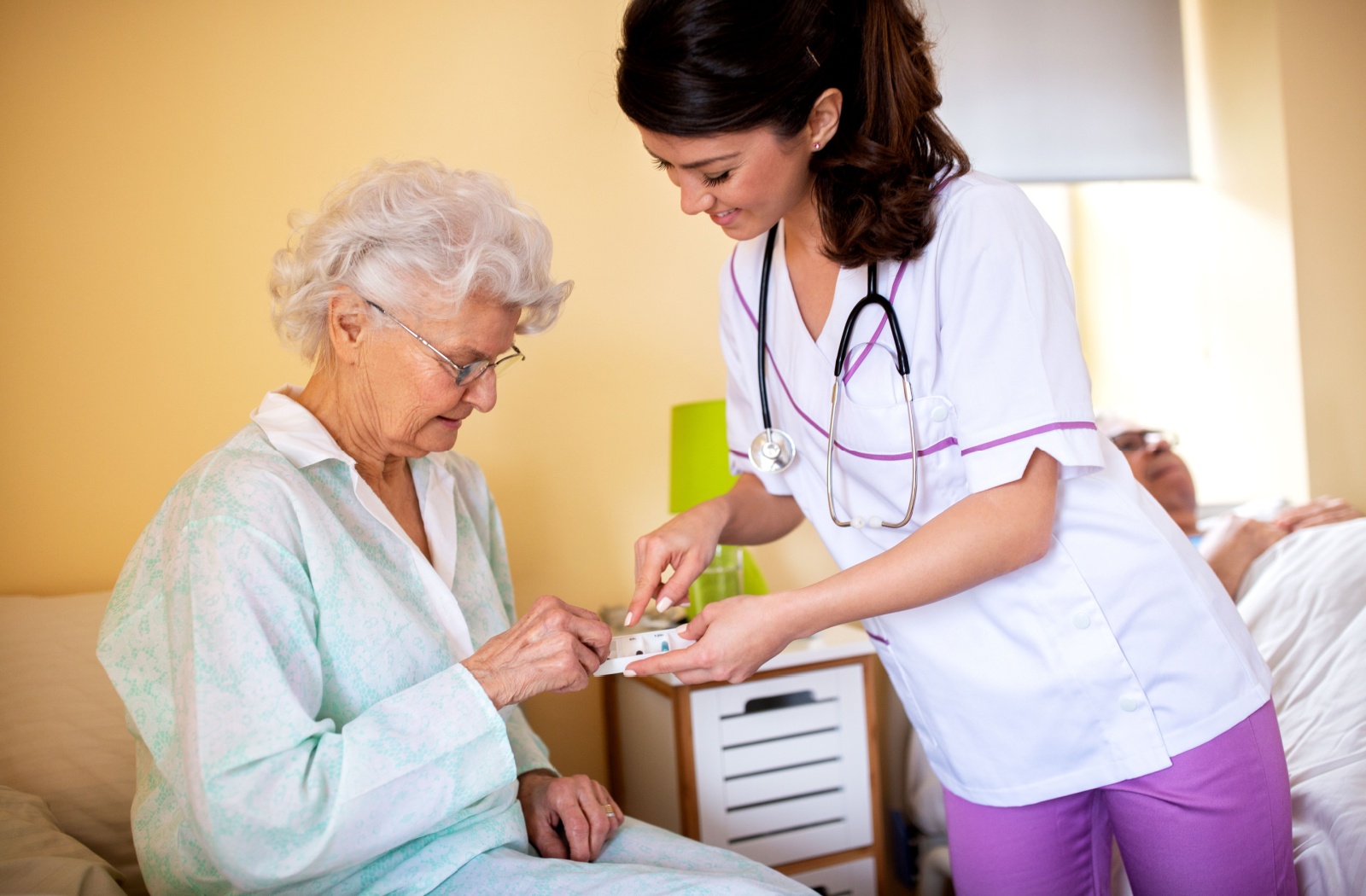
Complex medication schedules can become overwhelming for families to manage safely. Multiple prescriptions, specific timing requirements, and potential drug interactions need professional oversight. Some medications require injection administration or careful monitoring for side effects that trained nurses can recognize early.
Wound Care and Medical Monitoring Needs
Wounds that don’t heal properly or require specialized dressings need professional attention. Nurses trained in wound care can prevent infections and promote faster healing through proper techniques and monitoring.
Medical conditions that require frequent vital sign checks, blood sugar monitoring, or other regular assessments benefit from skilled nursing supervision. This ongoing monitoring helps catch changes early and prevents complications.
Rehabilitation Support After Illness or Injury
Stroke recovery, hip fractures, or other injuries often require intensive rehabilitation support. Physical therapy, occupational therapy, and speech therapy services work together to help your loved one regain strength and independence.
The combination of medical care and rehabilitation in one location makes recovery more coordinated and effective. Your loved one receives comprehensive support without the stress of traveling to multiple appointments.
How Healthcare Teams Determine Your Care Needs
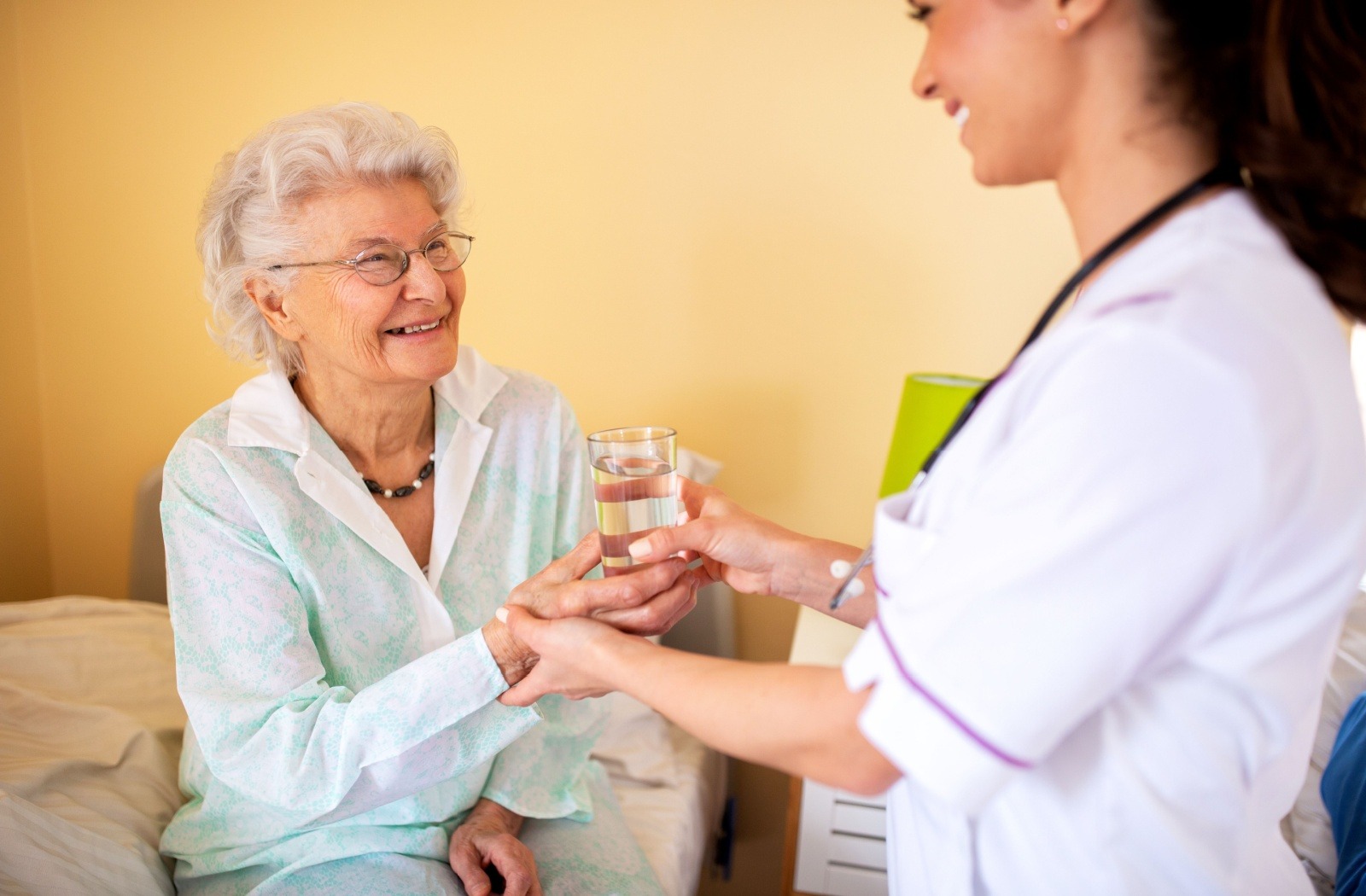
Healthcare professionals conduct thorough health assessments to see your loved one’s current medical status and care requirements. These evaluations look at physical health, cognitive function, and safety concerns that might affect daily living. Assessments help determine what level of support your loved one needs to maintain independence and dignity.
The assessment process includes reviewing all current medical treatments, medications, and therapies your loved one receives. This comprehensive review helps identify areas where additional support or supervision might be needed.
Daily Living Activities Assessment
Healthcare teams evaluate how well your loved one can perform activities like bathing, dressing, eating, and moving around safely. These assessments help determine the appropriate level of assistance to maintain dignity and independence.
Mobility assessments look at fall risks, balance issues, and the need for assistive devices. These challenges help create a safe environment and an appropriate care plan.
Family Input and Healthcare Provider Recommendations
Your observations and concerns as a family member provide valuable insight into your loved one’s daily challenges and needs. Healthcare teams consider this input alongside medical evaluations to create a complete picture.
Current doctors and specialists often provide recommendations based on their ongoing relationship with your loved one. These professional insights help guide care decisions and treatment planning.
Daily Activities That Signal the Need for Support
When personal care tasks like bathing, grooming, or dressing become difficult or unsafe, it might be time to consider additional support. These daily activities are important for health, comfort, and self-respect. Care options can help you determine the right level of support for your loved one’s specific needs.
Medication errors or missed doses can have serious health consequences. If managing multiple medications becomes confusing or overwhelming, professional assistance can prevent dangerous mistakes and improve health outcomes. Comprehensive caregiving resources offer valuable guidance for families navigating these challenges.
Mobility Challenges and Fall Prevention Needs
Frequent falls or near-falls indicate safety concerns that require professional attention. Skilled nursing communities provide safer environments with grab bars, emergency response systems, and staff trained in fall prevention.
Difficulty getting around safely can lead to isolation and declining physical health. Professional support helps maintain mobility while reducing injury risks.
Nutritional Support and Memory Care Requirements
Weight loss, poor appetite, or difficulty preparing nutritious meals can affect overall health and recovery. Professional nutritional support addresses these concerns with personalized meal planning and assistance.
Memory challenges that affect safety, medication compliance, or daily routines may require specialized support. Memory care programs provide structured environments that promote comfort and security.
Medical Support Available in Skilled Nursing
Round-the-clock nursing care means trained professionals are always available to respond to medical needs or emergencies. This 24/7 supervision provides peace of mind for families and immediate care when situations arise. Rehabilitation services, including physical therapy, occupational therapy, and speech therapy help your loved one work toward recovery goals.
These specialized programs focus on regaining strength, mobility, and independence after illness or injury. Evidence-based exercise programs support recovery and help maintain physical function throughout rehabilitation.
Visit Kingston of Miamisburg for Personalized Care Planning
At Kingston of Miamisburg, personalized care planning starts with your loved one’s unique medical needs, preferences, and goals. The care team creates individualized approaches that respect personal choices while addressing health requirements. The transition process includes seamless coordination with your current healthcare team to maintain continuity of care.
If you’re considering skilled nursing options for your loved one, contact Kingston of Miamisburg to discuss your family’s specific needs. The experienced team can help you explore care options and determine if skilled nursing services are right for your situation.