Key Takeaways
- Muscle weakness, balance problems, and joint pain are common reasons for walking difficulties.
- Medical conditions like stroke, heart issues, and neurological changes can suddenly affect mobility.
- Medication side effects and vision or inner ear problems may impact walking ability.
- Sudden changes in walking require prompt medical evaluation and ongoing support.
- Senior living communities offer rehabilitation services, 24/7 care, and safety features to help maintain mobility.
Sudden Walking Challenges in Seniors: Causes, Concerns, and Care Solutions
When your loved one suddenly has trouble walking, it can feel overwhelming and scary. You might notice they’re unsteady on their feet, avoiding stairs, or holding onto furniture as they move around the house. These changes can happen gradually or seemingly overnight, leaving you wondering what’s causing the problem and how to help.
A sudden inability to walk often stems from muscle weakness, balance issues, medical conditions like stroke or heart problems, medication side effects, or neurological changes that affect movement and coordination.
Understanding these causes can help you recognize when it’s time to seek medical attention and explore supportive care options that Kingston of Miamisburg provides through 24/7 skilled nursing care to keep your loved one safe and mobile.
Common Reasons Your Loved One May Have Trouble Walking
Several everyday factors can affect your loved one’s ability to walk confidently. Muscle weakness naturally develops over time, making it harder to climb stairs or walk long distances. You might notice your loved one needs to rest more often or has trouble getting up from chairs.
Balance and coordination challenges often go hand-in-hand with walking difficulties. Your loved one might feel dizzy when standing up or seem unsteady when turning corners. Joint pain and stiffness in the hips, knees, or ankles can make each step uncomfortable, causing them to walk more slowly or avoid walking altogether.
Medication side effects can also contribute to mobility changes. Some medications can cause dizziness, drowsiness, or muscle weakness, which can affect walking ability. Inner ear problems can throw off balance, while vision changes make it harder to navigate safely around the home. Proper exercise and physical activity can help address some of these challenges, while specific exercises target common problem areas.
Medical Conditions That Can Affect Walking Ability
Stroke and Its Impact on Movement
A stroke can cause sudden weakness on one side of the body, making walking difficult or impossible. You might notice your loved one dragging one foot, having trouble lifting their leg, or leaning heavily to one side. Other signs include sudden confusion, trouble speaking, or a severe headache.
Recovery support through physical therapy and rehabilitation services can help restore movement and strength. Many people regain walking ability with proper care and support, though the timeline varies for each person. Brain exercises for stroke recovery complement physical therapy, while understanding related conditions helps families prepare for comprehensive care.
Heart-Related Concerns
Heart conditions can cause weakness and fatigue that make walking challenging. When the heart can’t pump blood effectively, your loved one might feel tired after just a few steps or experience shortness of breath during normal activities.
Circulation issues can cause leg pain or cramping that gets worse with walking. If your loved one complains of chest pain, extreme fatigue, or swelling in their legs along with walking difficulties, it’s time to contact their healthcare provider right away.
Neurological Changes
Parkinson’s condition affects movement in specific ways, causing shuffling steps, freezing episodes, or trouble starting to walk. Your loved one might have a tremor in their hands or appear to have a stooped posture.
Other neurological conditions can also impact walking ability and may require specialized care if they affect thinking and decision-making skills. These changes often develop gradually but can sometimes worsen quickly.
When to Contact a Healthcare Professional
Sudden changes in walking ability always warrant medical attention, especially if they happen over hours or days rather than weeks or months. Falls or near-falls are serious warning signs that something has changed with your loved one’s balance or strength.
Pain or discomfort with movement shouldn’t be ignored, particularly if it’s new or getting worse. Confusion, difficulty speaking, or other concerning symptoms, along with walking problems, can indicate a medical emergency that requires immediate care.
Having access to 24/7 care can provide peace of mind during these situations. Professional caregivers can monitor mobility changes, help prevent falls, and coordinate with healthcare teams to promptly address underlying causes. Transitioning from hospital care becomes smoother when recommended physical activity guidelines are integrated into recovery plans.
How Senior Living Communities Support Mobility Challenges
Skilled Nursing and Rehabilitation Services
Physical therapy helps your loved one regain strength, balance, and coordination through targeted exercises and mobility training. Occupational therapy focuses on daily activities like getting dressed, bathing, and moving safely around living spaces.
Speech therapy becomes important when neurological conditions affect swallowing, communication, or mobility. Short-term rehabilitation stays allow intensive therapy while your loved one recovers from a stroke, surgery, or other medical event that affects walking.
Assisted Living Support
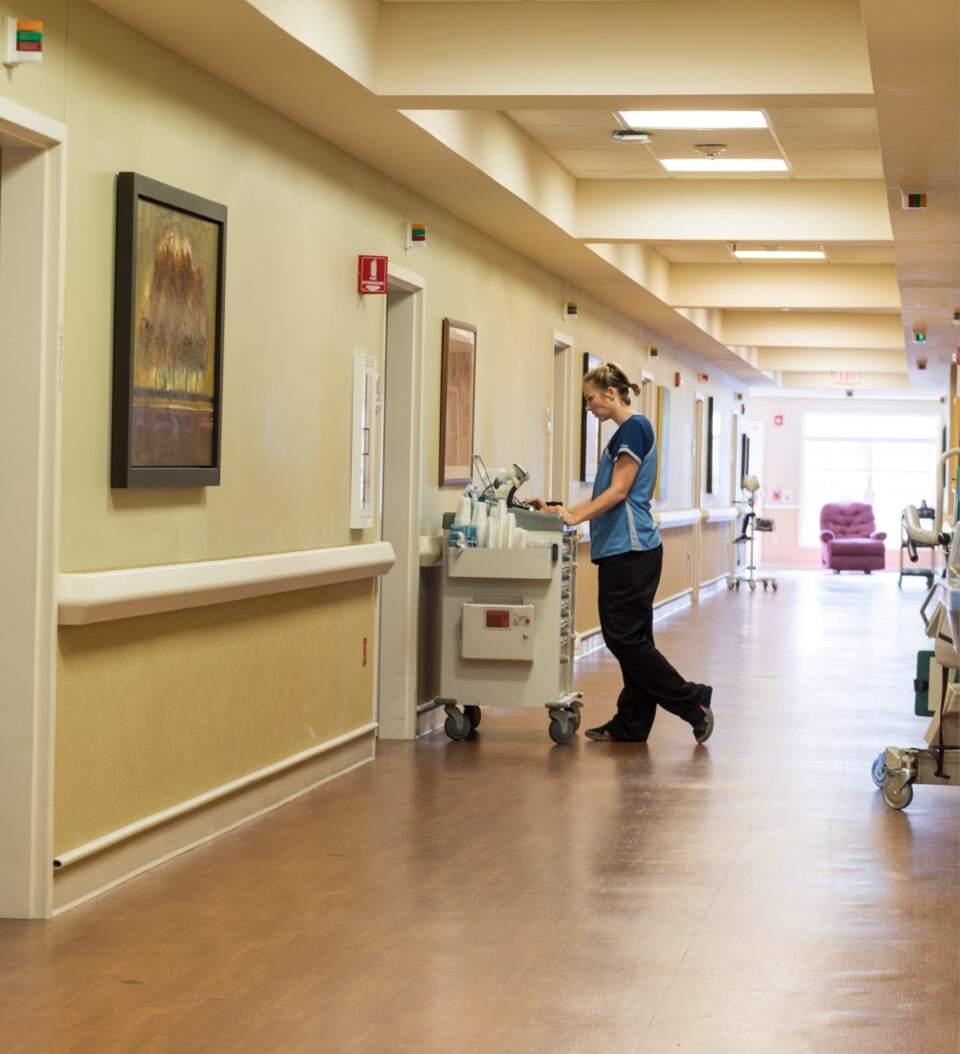
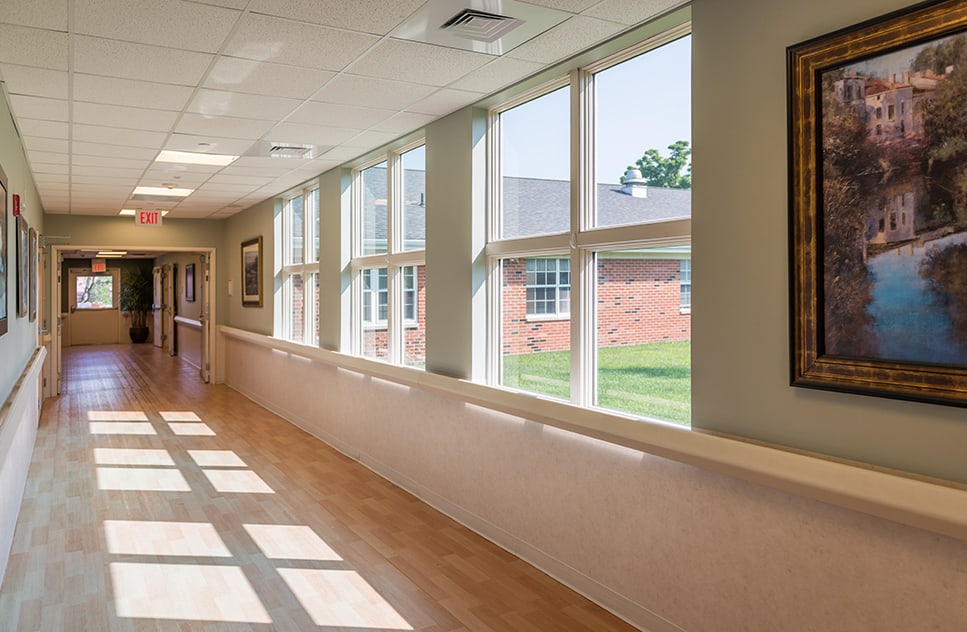
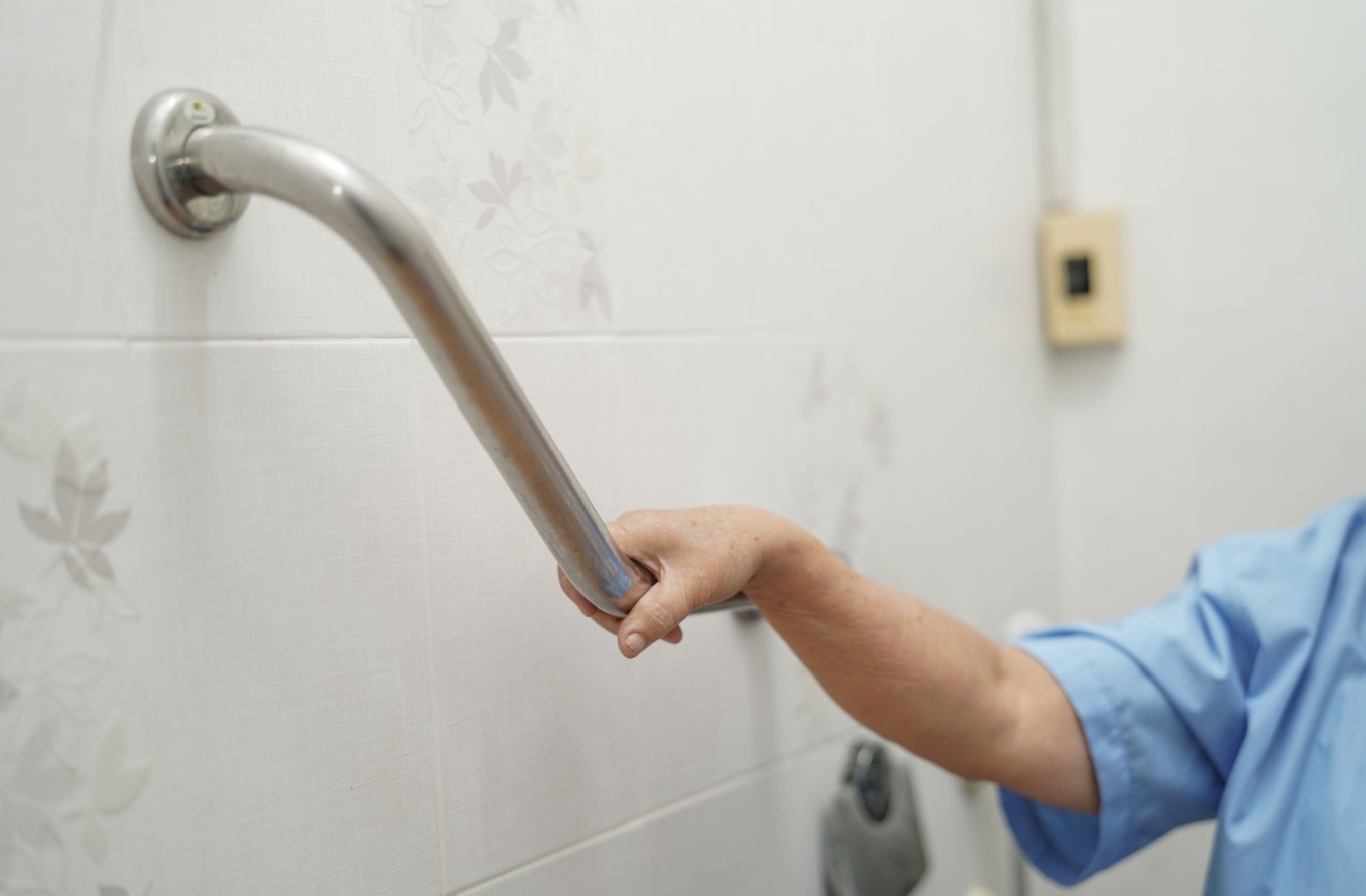
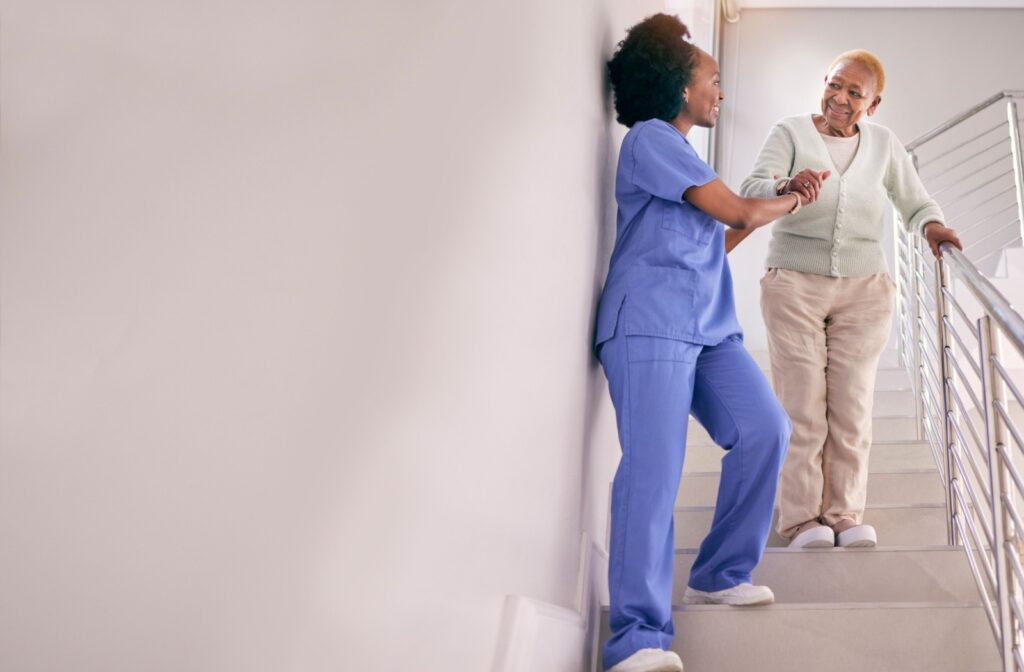
Daily assistance with mobility includes help getting in and out of bed, walking to meals, and navigating hallways safely. Safety features like grab bars, ramps, and emergency call systems reduce fall risks and provide quick access to help.
Medication management helps prevent side effects that could worsen walking problems, while 24/7 care availability means help is always nearby if your loved one needs assistance or experiences sudden changes. Physical therapy benefits extend beyond mobility to overall wellness and independence.
Independent Living with Added Security
Emergency response systems provide immediate help if your loved one falls or has trouble getting up. Wellness programs include gentle exercise classes and balance training that can help maintain mobility over time.
Access to healthcare teams and regular check-ups can catch problems early before they severely impact walking ability. A strong community support network encourages your loved one to stay active and social, which supports overall health and mobility.
When walking becomes challenging, you don’t have to navigate this journey alone. Kingston of Miamisburg offers a range of services from independent living to skilled nursing and rehabilitation, all designed to support your loved one’s mobility and overall well-being. Our 24/7 care teams, healthcare professionals, and rehabilitation services work together to help your loved one maintain their quality of life while staying safe and supported. Contact Kingston HealthCare in Miamisburg today to explore how we can help you find the right level of care for your family’s unique needs.