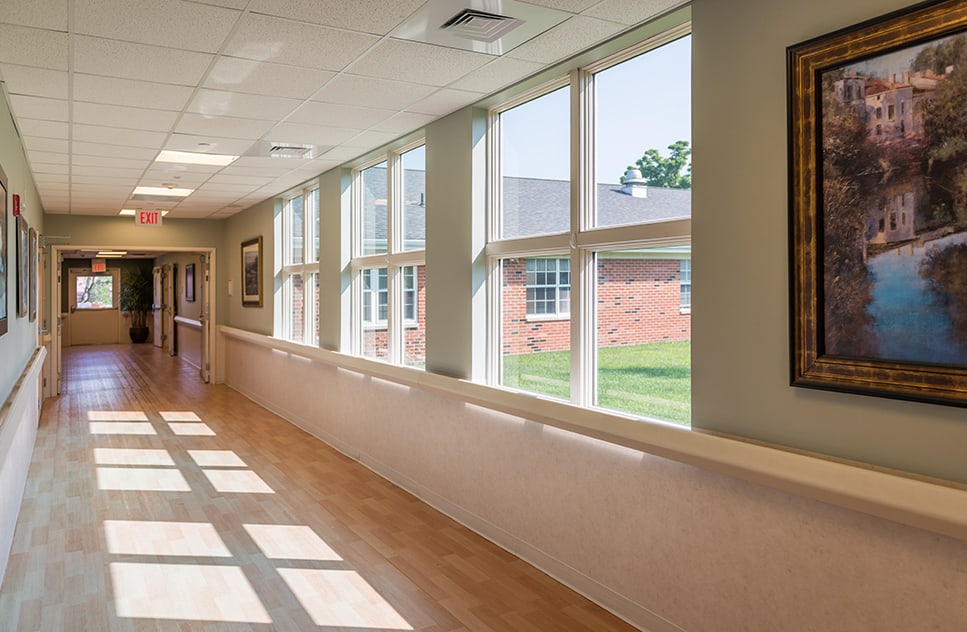
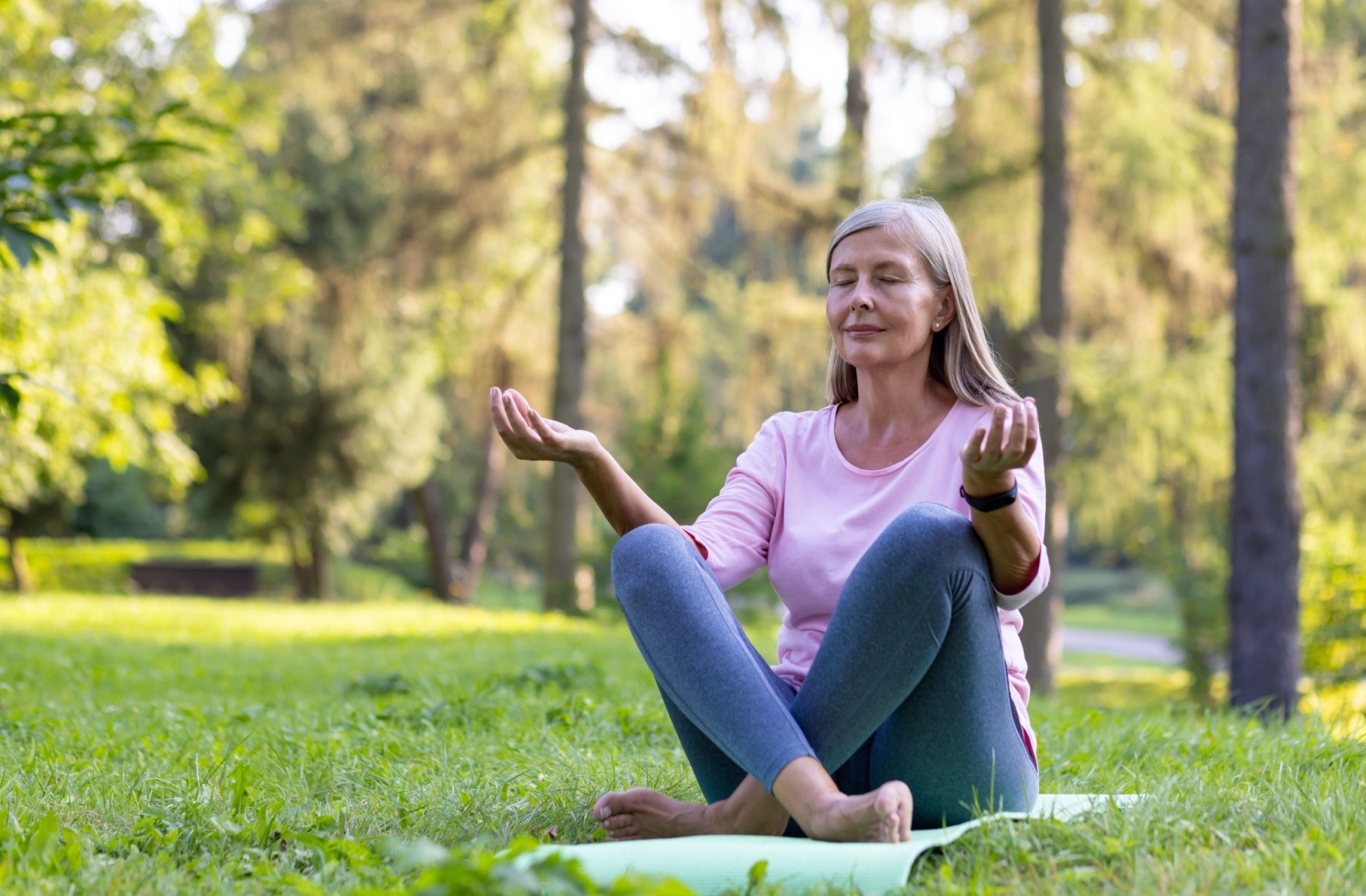
You might think meditation is too complicated or that you’re too old to start something new. The truth is, meditation can be one of the most accessible and rewarding practices you can begin at any age, and it’s never too late to experience its benefits.
Meditation offers you a simple, gentle way to reduce stress, improve sleep, boost memory, and find greater peace in your daily life—all from the comfort of your own chair. Whether you have 5 minutes or 30, meditation can fit into your routine and help you feel more centered and calm. At Kingston of Miamisburg, we understand the importance of holistic wellness approaches, which is why our wellness programs include mindfulness activities alongside comprehensive care.
Key Takeaways
- Meditation supports your physical and mental well-being through stress reduction and better sleep
- You can start with just 5 minutes a day through simple breathing exercises
- Many meditation styles work well for different mobility levels and preferences
- Senior living communities often provide group sessions and quiet spaces for practice
- Regular meditation can help support your memory, focus, and overall quality of life
What Meditation Can Do for You
Meditation works like a gentle exercise for your mind. When you practice mindfulness regularly, you’re giving your brain a chance to rest and reset, which can help reduce the everyday stress that builds up from health concerns, family worries, or changes in your routine.
Your sleep quality often improves when you meditate regularly. The relaxation techniques you learn during meditation can help quiet your mind at bedtime, making it easier to fall asleep and stay asleep through the night. Many people find that just 10 minutes of evening meditation helps them feel more rested.
Memory and focus can also benefit from regular meditation practice. The gentle concentration required during meditation exercises your attention span, much like how walking exercises your legs. You might notice it becomes easier to follow conversations, remember appointments, or stay engaged during activities you enjoy.
Simple Ways to Start Your Meditation Practice
You don’t need special equipment or a perfect environment to begin meditating. Find a quiet corner in your home where you feel comfortable—maybe your favorite reading chair or a spot near a window with a nice view. The key is choosing somewhere you won’t be interrupted for a few minutes.
Start small with just 5 minutes a day. Set a gentle timer so you don’t have to watch the clock. You can gradually increase the time as meditation becomes more natural, but there’s no pressure to meditate for long periods. Even short sessions can make a real difference in how you feel.
Guided meditation apps and online tools can walk you through your first sessions. These programs offer clear, step-by-step instructions that help you learn different techniques without feeling overwhelmed. Many are specifically designed for beginners and speak in calm, reassuring voices.
Breathing Techniques That Work
Deep belly breathing forms the foundation of most meditation practices. Place one hand on your chest and another on your belly, then breathe slowly so that your belly hand moves more than your chest hand. This type of breathing naturally activates your body’s relaxation response.
The 4-7-8 breathing method works particularly well before bedtime. Breathe in for 4 counts, hold for 7 counts, then exhale for 8 counts. This pattern helps slow your heart rate and prepare your body for rest.
Counting breaths gives your mind something gentle to focus on. Simply count each exhale from 1 to 10, then start over. When your mind wanders—and it will—just notice and return to counting without judgment. These simple techniques work well alongside other gentle exercises that support your overall wellness.
Types of Meditation That Fit Your Lifestyle
Mindfulness meditation helps you stay present in the moment rather than worrying about the past or future. You can practice this anywhere by simply paying attention to what you’re experiencing right now—the feeling of air on your skin, sounds around you, or the taste of your morning coffee.
Movement meditation combines gentle activity with mindfulness. You can practice this indoors or outdoors, moving slowly and paying attention to how your feet feel with each step. This works well if sitting still for long periods feels uncomfortable.
Body scan meditation involves mentally checking in with different parts of your body, starting from your toes and moving up to your head. This practice can help you notice and release physical tension you might not realize you’re carrying.
Loving-kindness meditation focuses on sending good wishes to yourself and others. You might repeat phrases like “May I be happy” or “May my family be healthy.” This type of meditation can help reduce feelings of loneliness or resentment.
Chair-Based Meditation Options
You can meditate comfortably in any supportive chair. Use pillows behind your back or under your arms if you need extra support. The goal is feeling relaxed but alert, so adjust your position until you’re comfortable.
Your feet can rest flat on the floor or on a footstool—whatever feels natural. If you use a wheelchair or mobility device, you can meditate in your usual seating with any supports you normally use.
These techniques work in your living room, on a porch, or even in a doctor’s waiting room. Meditation doesn’t require perfect conditions—it adapts to wherever you are. Chair yoga exercises can complement your meditation practice by adding gentle movement and stretching.
How Senior Living Communities Support Your Meditation Journey
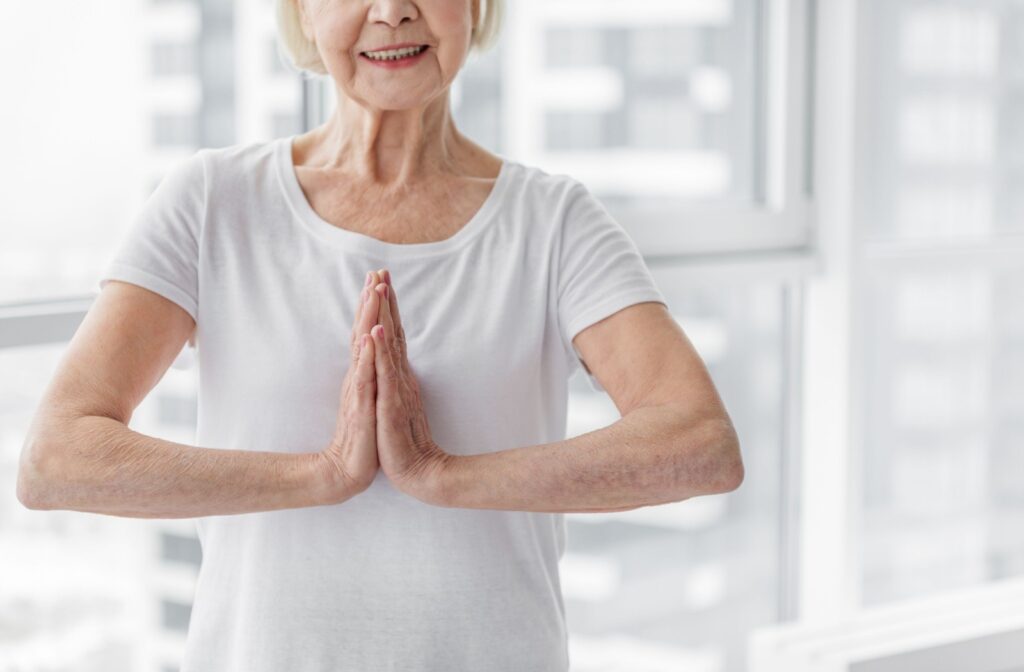
Many senior living communities offer group meditation sessions as part of their wellness programs. These sessions provide gentle guidance from trained facilitators and let you connect with neighbors who share your interest in mindfulness. You’ll often find these programs include different styles of meditation to match various preferences and abilities.
Quiet spaces designed for reflection give you peaceful environments for personal practice. These might include garden areas, library corners, or dedicated wellness rooms where you can meditate without distractions. Having access to these calming spaces makes it easier to maintain a regular practice.
The 24/7 care available in senior living communities provides peace of mind that lets you focus fully on your wellness activities. Having support always available if you need it allows you to relax more completely during meditation and other mindfulness practices.
Community Activities That Include Mindfulness
Tai chi and gentle yoga classes often incorporate meditation principles while adding light physical movement. These activities combine the mental benefits of mindfulness with gentle exercise that can help maintain flexibility and balance.
Garden meditation and nature activities let you practice mindfulness while enjoying fresh air and natural beauty. Many communities have outdoor spaces specifically designed for quiet reflection and connection with nature.
Art therapy and creative mindfulness activities combine meditation with creative expression. You might find programs that include mindful coloring, pottery, or music that help you stay present while engaging your creative side. Community events often incorporate these types of engaging, wellness-focused activities.
Make Meditation Part of Your Daily Routine
Choose a time of day when you naturally feel calm or when you could use a moment of peace. Many people enjoy morning meditation with their coffee or evening practice before bed. The right time is whatever works consistently with your schedule and energy levels.
Consistency becomes easier when you link meditation to an existing habit. You might meditate right after breakfast, before your afternoon rest, or while sitting in your favorite chair each evening. This connection helps meditation become a natural part of your day rather than another task to remember.
Your meditation practice can change as your needs change. Some days you might prefer breathing exercises, while other days movement meditation feels more appealing. This flexibility helps you maintain your practice even when your energy or mobility varies.
Finding the Right Place for Meditation
Meditation complements other aspects of your wellness routine, from regular meals and social activities to medical care and physical exercise. It’s not a replacement for these important elements of healthy aging—it’s an addition that can enhance how you experience each day. Senior living communities can provide the supportive environment and resources that help you explore meditation alongside other residents who share your interests. The combination of professional care, social connection, and wellness programming creates an ideal setting for developing and maintaining a mindfulness practice.
Taking the next step toward a more peaceful daily routine might mean visiting a senior living community to learn about their wellness programs and meditation offerings. At Kingston of Miamisburg, we provide comprehensive wellness support, including mindfulness activities, in a caring environment with 24/7 care available. Contact us today to discover how our community can support meditation journeys and overall well-being.